Photographe: Emmanuel Claude
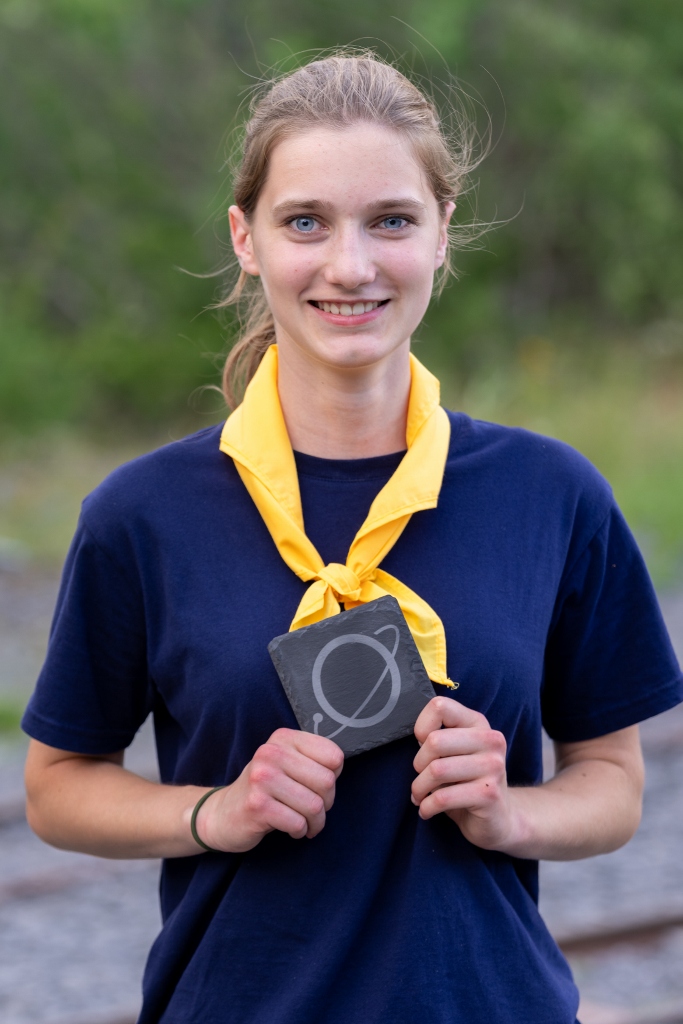
ID CARD
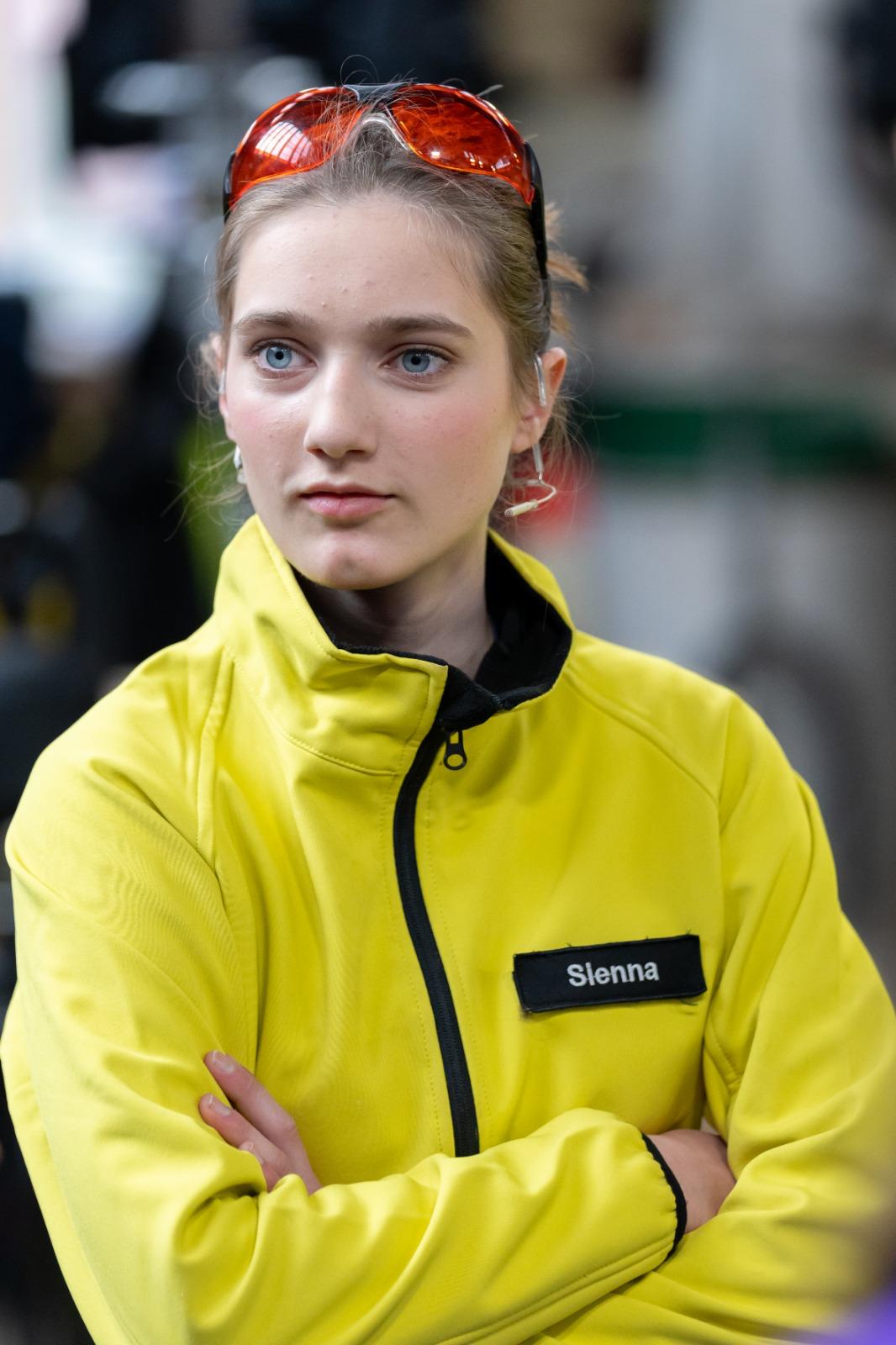
- Name: Sienna Beck
- Age: 16
- School: International School of Luxembourg
- Hobbies: Football, volunteering, writing…
- Strengths: Determination, competitiveness, sincerity, trustworthy
- Favorite subjects: Math, science
- Motto: “Life is what happens to you while you’re busy making other plans” (John Lennon)
If you had to describe Take Off in three words, which would you choose?
An adventure
A family
Much more than it seems!
How do you feel now that the show is over?
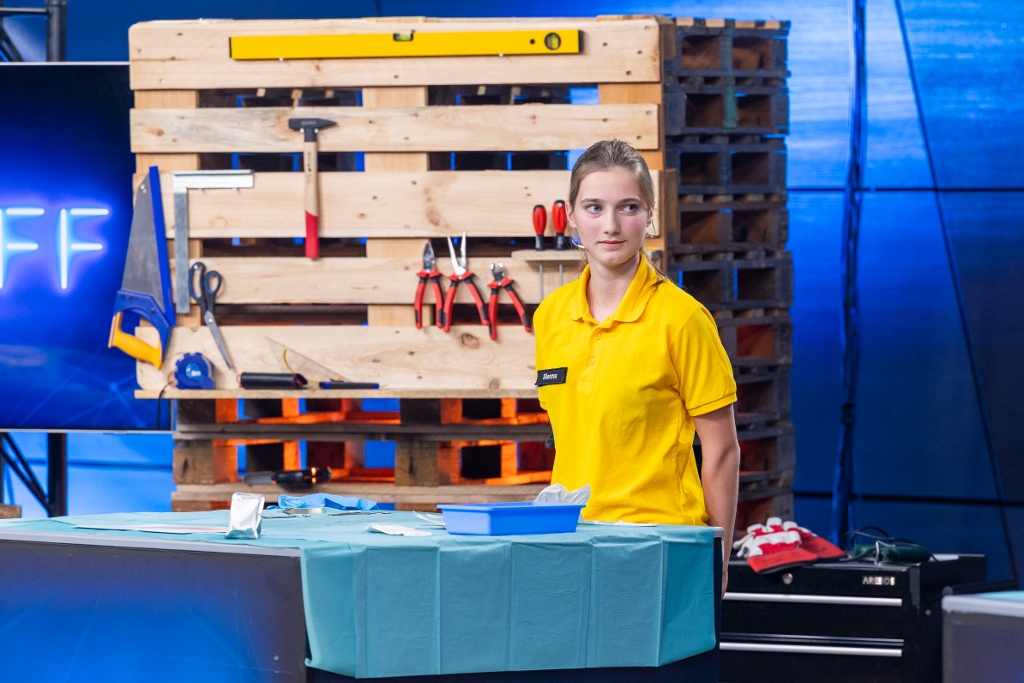
It’s a bit of a bittersweet feeling. I’m sad because we all became very close — the contestants, the production team, and the coaches. But at the same time, I’m mostly just very grateful to have had the chance to be part of such an experience. Being on a TV show was truly unique — with all the lights, cameras, and the entire production setup, it’s something you don’t forget easily. Television isn’t reality; it’s very different from what you imagine as a viewer. Getting used to that environment felt a bit like hitting the ground running — and competing against people who were often quite a bit older than me wasn’t always easy.
Now that it’s over, I feel really privileged to have discovered and taken part in this new perspective on science and science communication. I’ve stayed in touch with several other contestants, and we try to meet up from time to time. We grew very close in a short amount of time during filming, and that’s definitely one of the most beautiful parts of the show.

Did you think you would go this far in the competition?
I hoped so, of course, but I wasn’t sure — especially since I was one of the youngest contestants. Many were in their final years of high school, or had already graduated, so they obviously knew a lot more than I did.
But I’ve always had a very competitive spirit, and I wasn’t going to give up just because the others were older. I think that determination — and the support of my family — is what helped me get this far.
What qualities helped you the most to move forward in Take Off?
I’m competitive and determined. My friends also say that I’m a sincere person, and I think that’s important, especially in a team setting.
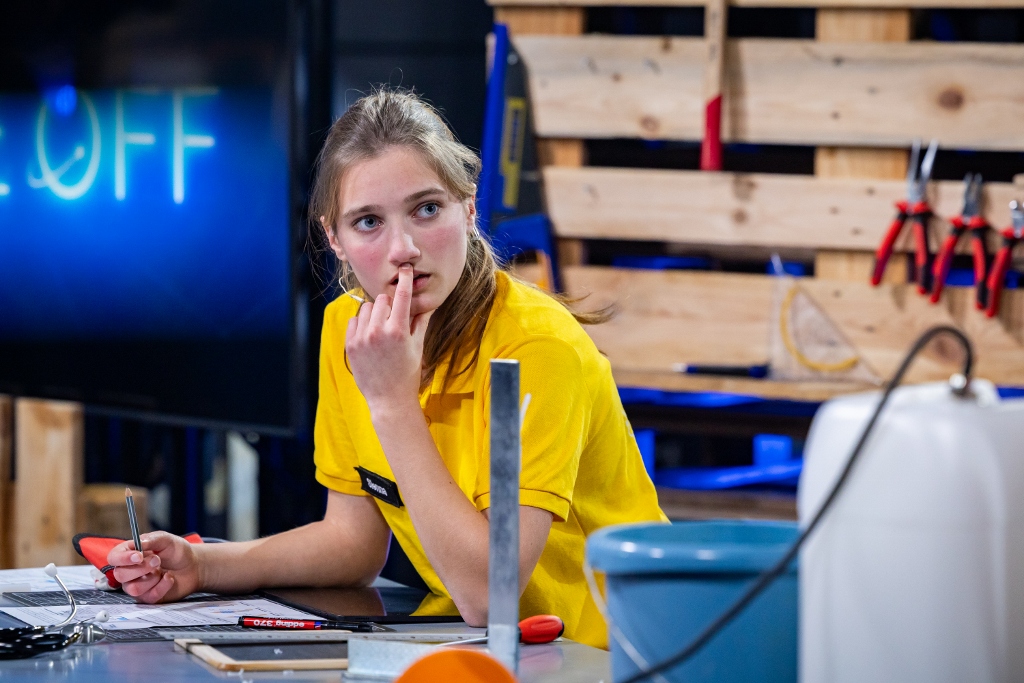
You have to be able to adapt, even when you don’t immediately understand a challenge. Problem-solving is essential, as well as flexibility and the ability to stay motivated.
Regarding teamwork: how was the communication between candidates?
Everyone spoke a bit of everything: Luxembourgish, French, English… We adapted naturally. It was fun, because sometimes we mixed all three languages in a single sentence!
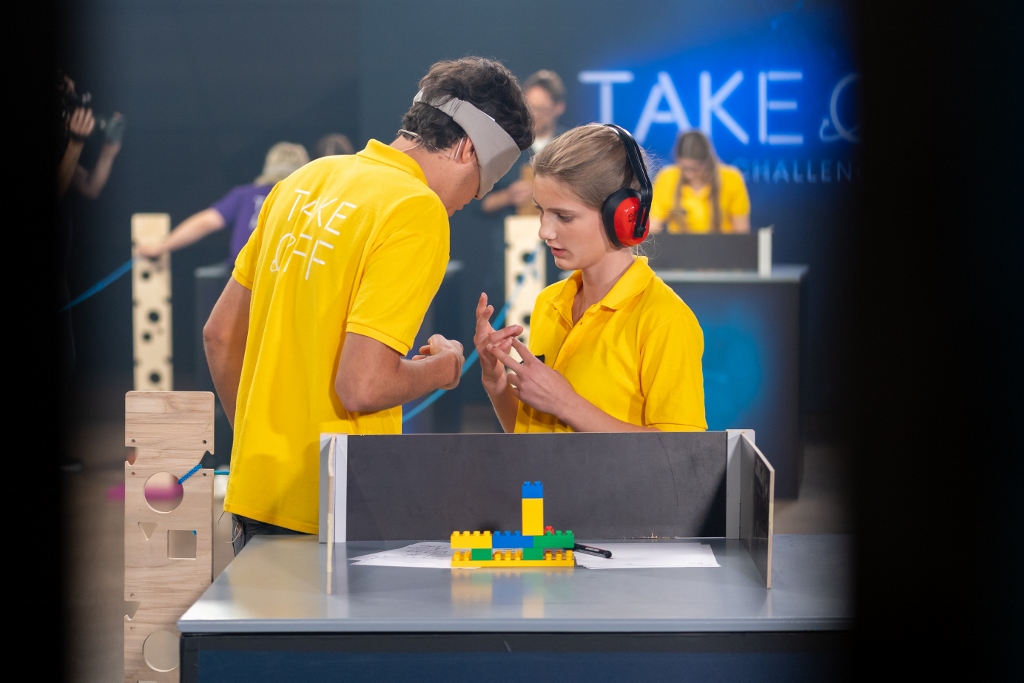
In my team, communication worked really well. Everyone shared their ideas and built on each other’s input. We developed solutions together, and sometimes we understood each other without even speaking.
In your opinion, what are the key elements of good communication?
You need to contribute, but above all, you need to listen. Take other people’s ideas into account, extract the best elements, and combine them. If everyone tries to impose their own idea, it doesn’t work.
What was your favorite challenge – and why that one in particular?
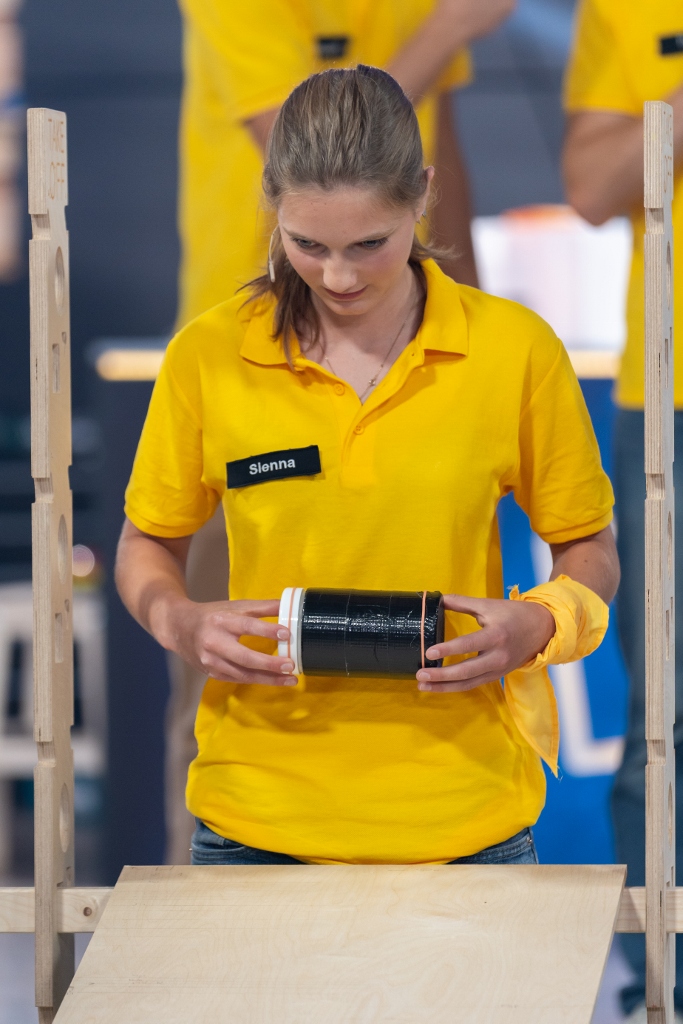
The starch challenge in episode 4. Our team found the solution very quickly, which gave us time to have a bit of fun: we pretended to keep searching and even tried to throw the other teams off track.
The challenge was to make a can roll down a slope for exactly 40 seconds. It was very technical, but also really fun.

And the most difficult challenge?
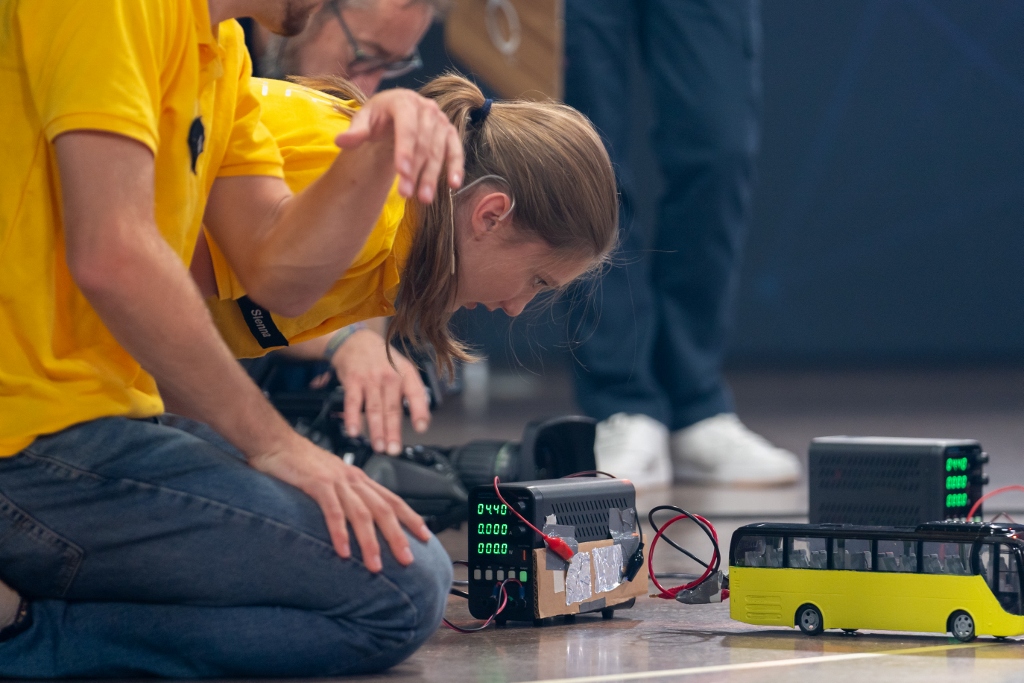
The one where we had to measure Olivier’s blood pressure. At first, I didn’t understand anything at all. Communication with my teammate didn’t work very well because he wasn’t listening to me. It was very stressful, and unfortunately, that was also the episode where I was eliminated. But that’s the game.


If you could take one object home from the show, what would you choose?
I’d choose the production’s cookies! They were incredible. Apparently, they came from France, but you can only order them in very large quantities. Too bad!
What was it like behind the scenes?
The atmosphere was very warm. I remember one moment when we stole all the cookies just to see how long it would take Madeline (from the production team) to notice... Not very long! It was often very funny, especially in the later episodes when we had to stay in the same room between recordings. We came up with all sorts of ways to keep ourselves busy: throwing pens into cups, building huge Leonardo da Vinci bridges, or creating mini-challenges. (Editor’s note: contestants don’t have their phones during filming to prevent them from looking up information about the episode topics online.)
We also had to film short videos for social media, sometimes quite absurd, which made them even more fun to shoot.
At the hostel, we often ate together, then spent the evening either outside or in someone’s room, usually ending with a game of poker.
How did you manage stress?
My mother’s support throughout the show really helped me stay calm. She was always there for me, and just knowing that helped reduce my stress.
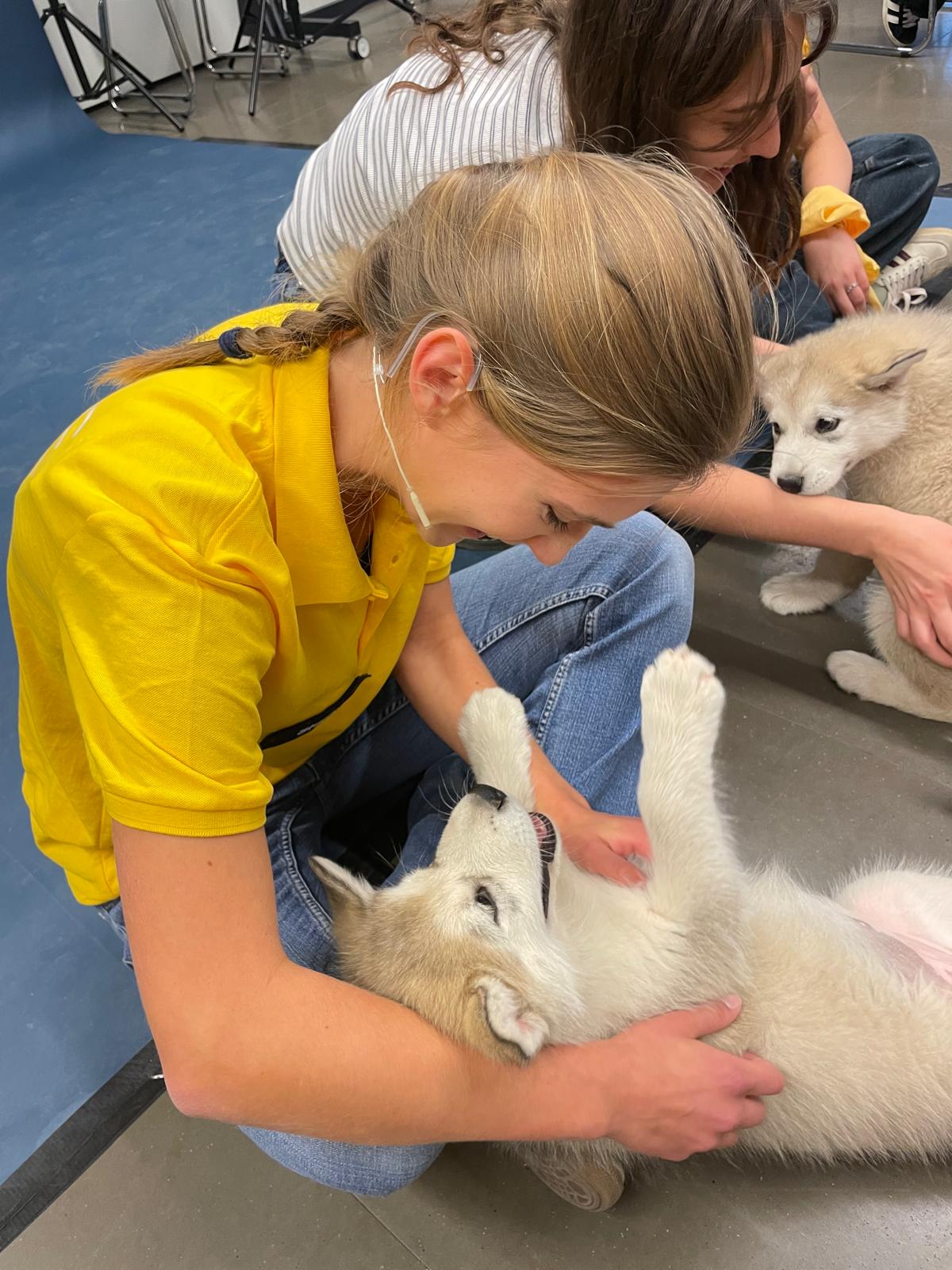
During filming, there were also puppies that regularly came onto the set, specifically to help us reduce stress. It was really effective. They were still very young, very playful - and not always very clean! Sometimes there was a bit of chaos, but it was absolutely worth it. It was dog therapy, and it really worked.
And personally, my faith plays an important role. I’m Christian, and when I felt stressed, I prayed. It helped me keep a clear head.
The further the filming progressed, the easier it became. You get used to the cameras, you get to know the other contestants, the production team, the coaches… All of that really helps reduce stress. You grow with the show.

Was this season different from what you had imagined?
Yes, there were a lot of surprises. From the very first episode, several contestants were immediately qualified, and then an entire team was eliminated. The challenges were also quite unique: they were much more connected to real life, with themes and situations similar to real professions. It felt more concrete, more realistic.
People often think that science is only about big, complicated inventions, whereas in reality, even the simplest objects (like a pen) are based on scientific principles. I think that’s a very important message.
What advice would you give to young people considering applying for the next season of Take Off?
I would tell them not to be afraid. Everyone is incredibly kind. The other candidates and the production team almost become like a family. The production is very attentive, and even the cameramen take the time to explain how everything works. For example, they even let us try handling a large camera mounted on a crane.
Of course, the competition is real, and every elimination is emotionally difficult. You feel both happy to continue and sad to see someone leave. But it’s an experience that is incredibly enriching.
Before applying to Take Off, were you already familiar with the show?
Not really. I hadn’t seen the first two seasons. Then I came across videos on social media several times, and I felt like it was a sign. After applying, I watched a few episodes to understand the concept, and I thought it was really good.
What are your hobbies outside of Take Off?
Outside of Take Off, I dedicate my time to several activities. I play football, I do babysitting, and I also take online courses, particularly through programs offered by Harvard, where I have, for example, studied child protection and anatomy.
I am also involved in volunteering, helping to supervise football training sessions. I take part in science and mathematics competitions. In addition, I participate in the Mérite Jeunesse program, which encourages young people to engage in sports and personal development activities.
Together with another student, I co-founded a media team at school to document school life through photos and videos. Finally, I also take part in the play or musical that our school stages each year, usually around December.
Author: Diane Bertel
Editor: Lucie Zeches (FNR)