shotshop.com

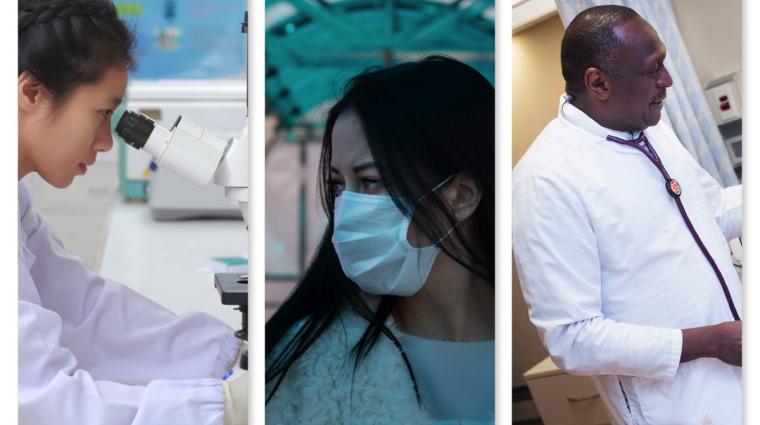
Why this study? Scientists want to find out how the current pandemic affects our social behavior. Specifically, the aim is to quantify the average number of contacts in the population at different times and compare them with previous studies and results. This data is important to include in forecasts, to generate better statistics and to better understand the spread of the virus as well as the effects of different measures.

Here the link to the survey (Surveymonkey).

The survey is anonymous and takes less than 2 minutes to complete. You are asked to indicate your gender, age and nationality, but no other personal data is requested. The results of the survey can be transmitted to research institutions, statistical offices and ministries in Luxembourg for analysis.

We do this survey regularly, in order to track the change in behaviour during the different phases of the COVID-19 crisis.

Many thanks for your participation!

Author of the survey: Joël Mossong, Ardashel Latsuzbaia
Editor: FNR
Auch interessant

Studienteilnehmer gesucht Post-virale Fatigue: Post-Covid und Chronisches Erschöpfungssyndrom

Waren Sie an Covid-19 erkrankt und haben sich immer noch nicht erholt? Leiden Sie unter chronischer Müdigkeit? Dann ist ...

Immunschutz vs. Virus Was schützt besser vor Covid-19: Impfung oder überstandene Erkrankung? Ein Update

Die kalte Jahreszeit steht vor der Tür und mit ihr wohl eine weitere Coronawelle. Dank Impfung, Booster und überstandene...

FNR , LIH

Auch in dieser Rubrik

Popmusik unter der Bettdecke Wie Radio Luxemburg unsere Welt verändert hat

Entdecke die Geschichte des internationalen Radiosenders in einer immersiven und interaktiven Ausstellung in der Villa Louvigny.

Hirnforschung So halten wir unser Gehirn gesund

Die moderne Arbeitswelt verlangt vom Gehirn tägliche Höchstleistungen. Eine Kampagne vermittelt Wissen und Tipps für Job und Alltag, um den Verstand und Gedächtnis in Bestform zu halten.

Take Off – Staffel 3 Interview: Ein Einblick in die Arbeit der Police Scientifique von Luxemburg

Randy Topper, Valérie Ries und Gilles Rabinger, drei Experten der Police Scientifique, erklären wie forensisches Denken, Teamarbeit und Alltagspraxis zusammenkommen.

FNR, ALF